For businesses in Cape Town, managing employee attendance accurately is an important part of effective workforce and payroll management. Paper registers, spreadsheets, manual timesheets, and traditional clocking methods can make it difficult to keep track of working hours, overtime, late arrivals, absenteeism, and shift schedules.
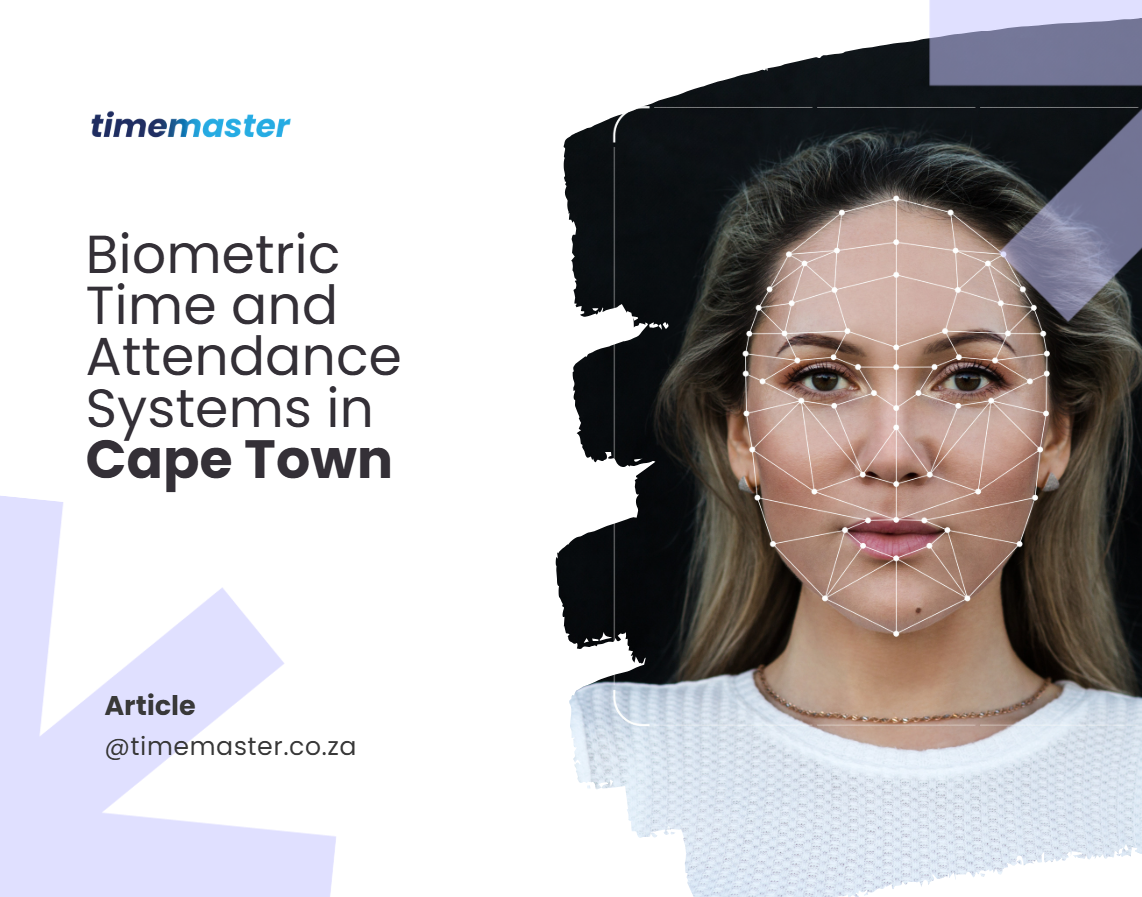
Modern biometric time and attendance systems provide a more accurate and efficient way to manage employee working hours. By using technologies such as fingerprint, facial, or palm recognition, businesses can verify employee identities while automatically recording attendance information.
For companies looking to improve workforce management, modern attendance solutions can combine biometric clocking with attendance management software, reporting, shift control, mobile clocking, and payroll integration.
Why Businesses in Cape Town Are Moving to Biometric Time and Attendance Systems
Traditional attendance systems rely heavily on employees and administrators to record and manage working hours correctly. This can create opportunities for mistakes, inaccurate records, time theft, and unnecessary administrative work.
Biometric systems provide a more reliable alternative because employees use their unique biometric characteristics to verify their identity when clocking in or out.
A well-designed biometric attendance system can help businesses:
- Improve the accuracy of attendance records
- Reduce buddy punching and inaccurate clock-ins
- Monitor employee working hours more efficiently
- Track overtime, lateness, and absenteeism
- Reduce manual administration
- Improve payroll accuracy
- Generate detailed attendance reports
- Manage employees across multiple locations
Instead of relying on paper records or spreadsheets, businesses can have a centralised system for monitoring employee attendance and working hours.
Best Practices for Installing Biometric Time Clocks
The location of a biometric terminal can have a significant impact on how easily employees use the system and how reliably the device operates.
Indoor Installation
For indoor environments, biometric terminals should ideally be installed in accessible areas such as staff entrances, reception areas, or designated clocking points.
When selecting a location:
- Choose an area with suitable and consistent lighting.
- Avoid locations exposed to excessive dust or moisture.
- Install the device at a comfortable height.
- Ensure employees can access it without creating unnecessary queues.
- Position the terminal close to the normal staff entrance or exit.
- Make sure the device does not interfere with other security procedures.
A well-planned installation can make clocking faster and easier for employees while reducing congestion during busy shift changes.
Outdoor Installation
Some businesses require employees to clock in outdoors or in partially exposed areas, particularly in construction, logistics, agriculture, security, and other operational environments.
In these situations, businesses should consider devices designed for outdoor conditions. Weather-resistant equipment, protection from direct sunlight and rain, and regular cleaning can help maintain reliable operation.
It is also important to follow the manufacturer’s installation and maintenance recommendations.
Biometric Attendance for Healthcare and Care Facilities
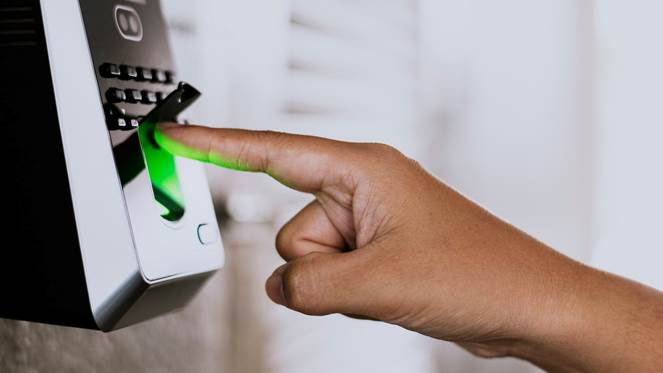
Accurate attendance records are particularly important in healthcare environments, retirement villages, frail care facilities, and private clinics.
These workplaces often operate across multiple shifts, with employees working different schedules throughout the day and night. Manual attendance registers can become difficult to manage when large numbers of employees are involved.
A biometric time and attendance system can help healthcare organisations:
- Record employee clock-ins and clock-outs accurately
- Monitor shift attendance
- Identify late arrivals and absences
- Track overtime
- Reduce manual timesheet administration
- Improve payroll data accuracy
- Generate attendance reports for management
Fingerprint and facial recognition can provide convenient ways for employees to verify their identity, while cloud-based access can allow authorised managers to review attendance information when required.
The Benefits of Cloud-Based Time and Attendance Software
A biometric device is only one part of an effective attendance management solution. The software behind the device is equally important.
Cloud-based time and attendance software allows businesses to capture, manage, and analyse employee attendance information through a central platform.
Real-Time Attendance Information
Managers can access current attendance information rather than waiting for manual timesheets to be collected and processed. This makes it easier to identify attendance issues and respond quickly when necessary.
Reduced Administrative Work
Automated attendance records in an online payroll system reduce the need to manually capture employee working hours into spreadsheets. This saves administrative time and reduces the possibility of data-entry mistakes.
Overtime and Shift Management
Businesses can monitor employee working hours, overtime, shifts, lateness, and absenteeism from one system. This provides management with a clearer view of workforce activity and helps support better staff planning.
Remote Access
Cloud-based systems can allow authorised users to access attendance information from different locations. This can be particularly useful for businesses operating across multiple branches or sites.
Detailed Reporting
Attendance reports can provide useful information about employee hours, overtime, absenteeism, and other workforce patterns. These reports can also support payroll processing and management decision-making.
Affordable Biometric Clocking Solutions for Small and Medium Businesses
Biometric attendance technology is not limited to large corporations. Small and medium-sized businesses can also benefit from automated time tracking, particularly when they are managing growing teams or multiple shifts.
The right system should be selected according to the size of the workforce, working environment, number of locations, required biometric technology, payroll requirements, and operational needs.
Some businesses may only require basic fingerprint clocking, while others may benefit from facial recognition, mobile clocking, GPS functionality, access control, or more advanced workforce management features.
The important point is to choose a solution that can grow with the business.
Fingerprint, Facial and Palm Recognition
Different workplaces have different requirements, which is why biometric attendance systems are available with several identification options.
Fingerprint Recognition
Fingerprint clocking is a popular option for businesses looking for a straightforward and cost-effective way to verify employee attendance.
Facial Recognition
Facial recognition provides a contactless method of identification and can be useful in environments where fast employee verification is important.
Palm Recognition
Palm recognition provides another biometric identification option and can be considered where businesses require an alternative to fingerprint or facial recognition.
The most suitable option depends on the working environment and the specific requirements of the business.
Mobile Clocking for Employees Working Outside the Office
Not every employee works from a fixed office location.
Field workers, sales teams, technicians, construction employees, and other mobile staff may need to record their working hours away from a traditional clocking terminal.
Mobile clocking can provide businesses with another way to capture employee attendance while supporting a more flexible workforce.
With solutions that support mobile clocking and location-based tracking, businesses can improve visibility over employees working across different locations.
Integrating Time and Attendance With Payroll
One of the biggest advantages of a modern time and attendance system is its ability to work alongside payroll.
Manually transferring attendance information from paper registers or spreadsheets into payroll systems creates additional work and increases the possibility of errors.
With an integrated approach, approved attendance information can be used to support payroll calculations.
For example, businesses can use attendance information to help manage:
- Regular working hours
- Overtime
- Absences
- Leave
- Shift patterns
- Employee attendance records
Payroll integration creates a smoother workflow between employee attendance and payroll administration, reducing duplicate data entry and making it easier to maintain accurate employee records.
Time and Attendance for Businesses With Multiple Locations
Managing attendance becomes more complicated when employees work across multiple branches, offices, warehouses, retail locations, or operational sites.
A centralised attendance platform can give authorised managers greater visibility over employee activity across different locations.
Instead of collecting separate spreadsheets or attendance reports from every site, businesses can manage information through a connected system. This can make workforce administration more organised and easier to monitor.
Improving Workforce Management With Accurate Data
Time and attendance software is not only about recording when an employee arrives or leaves.
Accurate attendance data can help businesses understand how their workforce is operating.
Managers can identify patterns involving:
- Frequent late arrivals
- Absenteeism
- Overtime
- Shift coverage
- Working hours
- Attendance trends
- Workforce requirements
Having reliable information makes it easier for management and HR teams to make informed decisions.
Security and Responsible Management of Biometric Data
Because biometric information is sensitive personal information, businesses need to take data protection and security seriously when implementing biometric systems.
Organisations should ensure that their chosen solution provides appropriate security controls and that employee information is handled in accordance with applicable South African data protection requirements, including POPIA where applicable.
Access to employee information should also be appropriately controlled so that only authorised individuals can view or manage sensitive attendance data.
Why Choose HRMaster for Time and Attendance Management?
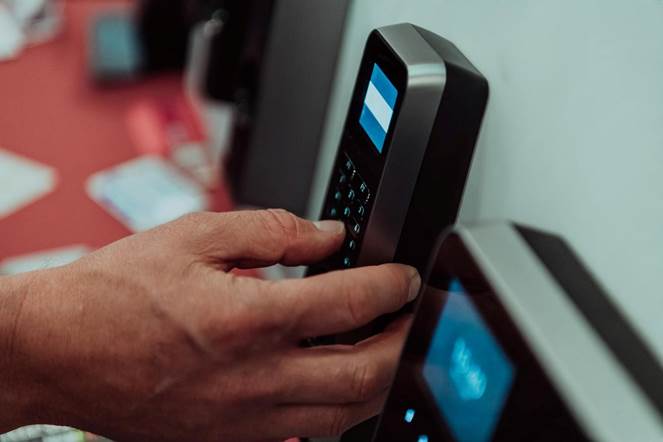
HRMaster provides workforce management solutions designed to help businesses manage employee attendance, working hours, payroll processes, and human resource requirements more efficiently.
A modern attendance solution can bring together biometric clocking, mobile attendance, shift management, reporting, leave management, payroll integration, and workforce monitoring within a connected environment.
This approach allows businesses to move beyond simply recording clock-in and clock-out times and instead create a more organised workforce management process.
Whether you operate a small business, a growing company, or an organisation with multiple locations, the right time and attendance solution can help reduce administrative work and improve visibility over employee working hours.
Why Cape Town Businesses Need Better Attendance Management
Cape Town businesses across industries such as retail, hospitality, healthcare, construction, logistics, manufacturing, security, and professional services often have different workforce management requirements.
Some organisations have fixed working hours, while others operate multiple shifts or have employees working across several locations.
A flexible biometric time and attendance solution can help businesses adapt their attendance processes to these different working environments.
By automating attendance records and providing access to accurate workforce data, businesses can spend less time dealing with manual administration and more time focusing on their core operations.
Conclusion
Biometric time and attendance systems, operating as a full payroll and attendance system, are becoming an important part of modern workforce management for businesses in Cape Town and across South Africa.
By replacing manual attendance processes with biometric verification and automated software, businesses can improve the accuracy of employee time records, reduce administrative work, monitor overtime and absenteeism, and create a smoother connection between attendance and payroll.
The most effective solution goes beyond the biometric device itself. Businesses should consider the complete system, including software, reporting, shift management, mobile clocking, payroll integration, security, scalability, and ongoing support.
For businesses looking for a more efficient way to manage employee attendance, HRMaster provides modern workforce management solutions that can help organisations improve accuracy, simplify administration, and gain better visibility over their workforce.