

The Situation — The World Is Going Digital
The world is changing fast. Every day, more things move online. Because of this, it’s now very important to know exactly who someone is. The only way forward is Digital Id and Biometrics for effective tracking and control. In the past, this was simple, but now, everything happens on digital screens and in systems.
So, businesses in South Africa — just like everywhere else — need better ways to check people’s identities, which is why solutions like a Biometric Fingerprint Clock In System Cape Town are increasingly becoming the standard for attendance recording. This is where biometrics and digital ID come in. They help keep everything safe, stop fraud before it happens, and make life easier for both companies and employees.
⚠️ The Problem — Old Identity Systems Don’t Work Anymore
Now, let’s think about how things used to work. People filled out paper forms, used ID cards, and created passwords. However, these old methods aren’t safe anymore. Paper can be copied, passwords can be stolen, and ID cards can be faked.
Because of that, many companies struggle with big problems like time theft, fake workers, and fraud. For example, someone could use another person’s ID number or clock in for a friend who isn’t even at work.
And there’s more. When businesses don’t protect personal data properly, they can break important privacy laws like POPIA. This can cause huge fines and make people lose trust in the company.
So, old systems cause confusion, waste time, and cost businesses a lot of money — especially those still without a modern Biometric Facial Recognition Clocking System Cape Town to automate and secure attendance records.
How Secure Are Different Authentication Methods?
Some ways of verifying identity are much safer than others. Let’s look at how common authentication methods stack up, from the riskiest to the most secure:
- No code or password required: This is like having no lock on your front door—anyone can walk right in.
- Simple, easy-to-guess codes: Codes like “1234” or “0000” are only slightly better than nothing. They’re quick for attackers to crack.
- One reused password for multiple accounts: Using the same password everywhere, especially if it’s never updated, makes life easier for hackers. If one account is compromised, the rest can quickly follow.
- Sign-in through social media accounts: While convenient, if someone gets into your Facebook or Google account, they can access many of your other services.
- Password plus SMS or one-time code (OTP): Adding a texted code makes things safer, but SMS can still be intercepted or stolen by scammers using tactics like SIM swapping.
- Password plus a fingerprint: Combining something you know with something you are — like a Fingerprint Clocking System Durban businesses use daily — raises the security bar because fingerprints are much harder to steal.
- Dual biometric methods (like fingerprint plus facial recognition): This is one of the most secure approaches. It’s extremely difficult for anyone to fake two types of biometrics at once.
- Unique, complex passwords for every account, refreshed daily: This is great for security but tough to manage without a password manager. If you can keep up, hackers will struggle to keep pace.
So, the more factors you combine—especially those that involve unique personal traits or constantly changing information—the stronger your protection against fraud and identity theft.
The Implication — What Happens If Nothing Changes
If a company doesn’t fix these problems, things can go very wrong. Because when you can’t trust who’s When a company doesn’t know who people really are, everything can start to go wrong.
For example, the payroll might pay the wrong person. Reports might show the wrong numbers. And even worse, secret company information could be stolen.
Without a strong digital identity system, big problems can happen, like:
- Losing lots of money because of mistakes or fraud.
- Getting a bad name if private data is leaked.
- Breaking the law because of rules like POPIA and GDPR.
So, doing nothing can actually make things worse and cost more money. But don’t worry — there’s a much better way to fix it!
The Solution — Biometrics and Digital ID to the Rescue
Now, let’s look at how biometrics and digital ID can fix all these problems.
Biometrics use special things that make each person unique — like your fingerprint, face, voice, or palm. Because these are one-of-a-kind, they can’t be shared or copied. So, when someone scans in, the system knows it’s really them.
What makes biometrics even more powerful is how tough they make it for anyone to cheat the system. If a thief steals a password or PIN, they could access thousands of accounts in seconds. But with biometrics, a large-scale attack becomes almost impossible. A fraudster would have to create a fake for each unique fingerprint or face, and trick the scanner every single time — a task that’s nearly impossible. Plus, while PIN codes are usually just four digits, biometric data is practically unlimited, making it far more secure.
This means your identity is protected not just by what you know, but by who you are — every single time.
What Is Multimodal Biometrics? Why Use More Than One?
Sometimes, using just one type of biometric—like only a fingerprint—might not be enough. That’s where multimodal biometrics comes in. This simply means combining two or more ways to identify a person. For example, a system might check both your face and your fingerprint at the same time.
Why bother? Well, by using more than one unique feature (like face plus iris, or fingerprint plus finger vein), you make it even harder for anyone to cheat the system. It’s almost impossible for someone to fake several traits at once. This means:
- Higher accuracy: The system is less likely to make mistakes or mix people up.
- Better security: Even if someone tries to trick one method, the others will help catch it.
- Faster and smoother ID checks: The system can work quickly, even with large groups of people.
So, multimodal biometrics takes all the security benefits of normal biometrics, and makes them even stronger—giving South African businesses extra peace of mind.
The Latest Trend — Contactless Biometrics Are Here
There’s a big shift happening in biometrics: everything is going contactless. Why? People want things faster and cleaner. No one wants to waste time in queues, and after the past few years, everyone cares a lot more about hygiene.
With contactless biometrics, you don’t have to touch anything to prove who you are. Picture this:
- Quick entry at the office or secure locations: Just show your face, palm, or even wave your hand — no touching fingerprints or keypads.
- Speedy payments: From Apple Pay and Samsung Pay to tap-and-go fingerprint cards, paying is now as simple as a glance at your phone or a tap of your card. This means less hassle and more security, right at the till.
- Smooth travel: Airports around the world (like OR Tambo and Heathrow) are using facial recognition to speed up border checks. Passengers just walk right through — no passport in hand, just a quick scan and you’re on your way.
All these contactless options make things safer because you’re not sharing surfaces with strangers. They also save time for everyone, which is especially useful in busy places.
Contactless biometrics is quickly becoming the new standard, leading us into a world where secure identification is not only faster and easier, but also a lot more hygienic.
How Facial Recognition Works
Facial recognition starts by taking a photo or video of your face. It then creates a special map of your features—like the distance between your eyes, the shape of your cheekbones, and the contour of your jawline. This isn’t just a flat picture; it can use 3D models to get a more accurate read.
Once your face is mapped, the system compares these details to faces stored in a secure database. If it finds a match—based on things like image quality and the strength of its matching technology—it confirms your identity.
This smart tech checks your face fast and safely, making it hard for anyone to pretend to be you, whether you’re logging in from your office in Johannesburg or anywhere else.
How Does Fingerprint Recognition Work?
Fingerprint recognition is all about using what makes your fingerprint unique to confirm your identity. Each person’s fingerprint has tiny details — called “minutiae” — that are different from anyone else in the world. When you place your finger on a scanner, the system analyzes these details and compares them with what’s on record.
Usually, the technology doesn’t even need to check your whole fingertip. Matching just a handful of these unique points is enough to prove you are really you. This makes fingerprint scans quick, accurate, and very hard to fake.
-
- *
Are All Types of Biometrics the Same?
Not every biometric method works the same way. Each one has its own strengths and weak spots. For example, fingerprints and facial recognition are pretty reliable because they don’t change much over time. Your fingerprint today is likely to match your fingerprint five years from now, and your face changes slowly (unless you grow an epic beard).
On the other hand, things like voice recognition can be trickier. Your voice can sound very different if you have a cold, or if you’re standing in a noisy place. Even palm prints, iris scans, or the way you walk (gait recognition) can work better or worse depending on the situation and the equipment.
So, while all biometrics aim to prove who you are, some are more stable and accurate than others. That’s why many companies use more than one type — combining, say, fingerprint with facial recognition — to make sure only the right people get in.
Smarter Sensors Mean Smarter Security
Biometrics aren’t just about fingerprints these days — the technology itself keeps getting better. Thanks to new and improved sensors and cameras, modern biometric systems can now tell the difference between a real person and a photograph, even in tricky conditions like odd lighting or shadows.
For example:
- Facial recognition devices now use a mix of 2D, 3D, and infrared cameras. This helps them spot fake faces or masks, and they work well whether it’s bright daylight or late at night.
- Advanced sensors pick up the tiny details in fingerprints or palm scans, making mistakes much less likely.
In short, every scan is faster and more foolproof — so you can trust that only the right person gets in.
How Does Iris Recognition Work?
Iris recognition takes things a step further by looking at the colourful ring around your pupil—the iris. Just like fingerprints, every person’s iris pattern is unique, even between identical twins. What makes this method even more impressive is that your iris hardly changes as you grow older.
With special cameras, the system captures an image of your eye and checks millions of tiny details in the iris pattern. Even if you wear glasses or contact lenses, the technology still works, making it a reliable way to confirm who you are.
How Biometric Systems Modernise and Protect National IDs
Biometric systems take identity protection to a whole new level. Instead of relying on just names or printed ID cards (which can be lost, stolen, or copied), a biometric ID uses unique features—like fingerprints, facial features, or voices—to prove exactly who someone is.
This has major benefits:
- No More Guessing: There’s no confusion about whether the person in front of you is really who they say they are. A fingerprint or face scan can’t be faked or borrowed.
- Better Access for Everyone: In many parts of the world, millions of people struggle to get official IDs. But biometrics make it easier for large groups—especially in rural or remote areas—to enroll, get their identities confirmed, and access essentials like education, social grants, or bank accounts.
- Less Fraud and Tampering: Traditional identity documents can be forged or hacked. Biometric records, on the other hand, are tied to truly unique traits, making it much harder for fraudsters to slip through the cracks.
- Real-World Results: Countries like Nepal have used biometrics to deliver vital services to their citizens. In places like Mali, residents now have secure national IDs, while Chile has rolled out advanced biometric passports to protect against identity theft and speed up travel.
Instead of old documents that can easily fall into the wrong hands, biometric systems offer more trust, accuracy, and security—helping every citizen access what they need, wherever they are.
Biometric Systems — Built for Tough Situations
But what about when things get tricky? Advanced biometric systems are designed to handle all sorts of real-world challenges:
- Damaged or Wet Fingers: Forget about smudges, dry skin, or even small cuts — top fingerprint scanners can still read your print clearly, rain or shine.
- Changing Looks: Maybe you grew a beard, swapped hairstyles, or threw on a pair of headphones. Leading facial recognition tech can handle all that and still identify you in an instant, even in poor lighting or on the move.
- No More Fakes: These systems aren’t fooled by photos or masks. With smart “liveness detection,” the technology checks that there’s a real, living person in front of the camera or scanner — not just a copy.
So, whether you’ve just come in from the rain or had a makeover, biometric tools make sure your identity checks stay quick and reliable.
How Artificial Intelligence Makes Biometrics Even Smarter
But there’s something else that makes biometrics even better — artificial intelligence (AI). Over just a few short years, AI has given biometric technology a giant boost. For example, facial recognition that once struggled to tell people apart is now incredibly sharp, thanks to AI’s brainpower. In fact, between 2013 and 2018, AI-powered facial recognition got about twenty times more accurate according to studies from the US National Institute of Standards and Technology (NIST).
So, how does this work? AI can look at thousands of faces, fingerprints, or voices, and learn all the tiny details that make each person unique. The more data it sees, the better it gets at telling people apart — a lot like how a detective gets better at solving cases over time. And it doesn’t stop with faces. AI also helps fingerprint scanners read even damaged or smudged prints, making mistakes much less likely.
Thanks to AI, every year brings a leap forward in accuracy and speed. This means when you use your fingerprint, face, or voice to log in, you can trust that the system actually knows it’s you — and not someone pretending to be you.
-
- *
Finding the Right Balance: False Rejections vs. False Acceptances
But, like any tool, even biometrics isn’t perfect. It all comes down to striking the right balance between two issues:
- False Rejections: This is when the system blocks the right person by mistake. Imagine your fingerprint not scanning on a rainy day — you’re you, but the scanner says no.
- False Acceptances: This is when someone sneaks through pretending to be you (but isn’t you). That’s the risky kind companies want to avoid as much as possible.
No biometric system is 100% perfect, and both kinds of mistakes can happen. The trick is setting the system to work best for the situation:
- High-security places (like government labs or vaults) care most about never letting the wrong person in. So, they might set the system to be stricter, even if it means sometimes blocking the right folks by accident.
- Busy offices or factories may decide a few extra checks are okay if it keeps things moving quickly at the gate.
The best biometric solutions, like those used by big tech companies (think Apple, Samsung, or Google), actually combine different biometric checks — maybe using both your face and your fingerprint. This “multimodal” approach cuts down on both mistakes and keeps things running smoothly, even in tough situations.
In the end, it’s all about finding the sweet spot between security and convenience, and matching the system to the business’s real needs.
Then, digital ID goes even further. It connects that verified information to a secure cloud profile. This means your identity can be checked safely anytime and anywhere.
But how do we keep biometric data safe?
Protecting Biometric Data
The security of your fingerprint, face, or voice is absolutely crucial. That’s why strong protections are built right into the system:
- Encryption: Biometric data is encrypted the moment it’s captured, making it unreadable to anyone who doesn’t have special access.
- Storage: Instead of keeping copies on local devices, data is stored safely in the cloud, protected by multiple layers of security.
- Access Controls: Only approved people or systems can access biometric information, and every login or change is tracked.
- Compliance: The system follows strict privacy laws like POPIA and GDPR, so your personal details stay private.
By combining these steps, biometric and digital ID solutions give you peace of mind — your identity stays yours, and your data is protected at every step.
Together, biometrics and digital ID make sure that every person is exactly who they say they are — quickly, safely, and correctly.
How Biometric Payment Cards Make Payments Safer and Easier
Biometric payment cards work a bit like magic — but with science! Instead of using an old-fashioned PIN code, these cards let you pay just by touching your fingerprint to the card itself.
Here’s how they change the game:
- Stronger Security: Only your fingerprint works, so no one else can use your card, even if they know your PIN or have the card in hand.
- Goodbye PIN Codes: No more worrying about someone watching you type your PIN — your finger is your password.
- Higher Contactless Limits: Normally, contactless payments have a low limit, so people can’t spend too much if they lose their card. But with a fingerprint, banks in places like Japan and France can let you pay bigger amounts safely and easily, all with a single tap.
- More Convenience: You simply tap and go — and the card knows it’s really you!
In fact, more than 80% of people around the world say they would feel comfortable using this kind of technology. Biometric cards make it simpler and safer for everyone to pay, every day.
-
- *
How Biometrics Empower Law Enforcement
But there’s even more at stake when it comes to safety and justice. For law enforcement agencies, biometrics play a crucial role in keeping communities secure.
By relying on unique features like fingerprints, facial structure, or voice patterns, officers can:
- Quickly identify individuals in the field, helping ensure the right person is in custody.
- Advance investigations by matching evidence from crime scenes — like prints or images — against known databases.
- Streamline background checks for job applicants or security clearance, making the vetting process faster and more accurate.
Agencies around the globe, including those in New South Wales, Australia, and Michigan, USA, are already using biometric technology to speed up investigations and bring clarity to complex cases.
With these tools, solving crimes and confirming identities becomes faster, smarter, and far more reliable — giving law enforcement the edge they need to protect us all.
The Benefits for South African Businesses
When businesses in South Africa start using these tools, everything becomes smoother and safer. Let’s see how:
- More Accuracy: Everyone is verified by who they are, not what they know.
- Less Fraud: Duplicate profiles and “buddy clocking” disappear for good.
- Faster Access: Employees can log in or clock in instantly.
- Better Compliance: The system follows rules from BCEA, POPIA, and more.
- Easy Connection: It works perfectly with cloud tools like TimeMaster for payroll and attendance.
So, instead of worrying about fake data or stolen information, companies can focus on what really matters — their people and their growth.
Enhanced Compliance for Financial Institutions
Biometric technology steps up to simplify regulatory checks for banks and financial institutions. Instead of piles of paperwork and slow manual vetting, institutions like those regulated by the US Financial Industry Regulatory Authority (FINRA) can use electronic fingerprinting for background checks.
- Rapid Validation: Collecting biometric data, like fingerprints, lets banks verify identities and past records securely—often in minutes.
- Automatic Record Keeping: All the required compliance data is captured and stored electronically, ready for audit or review.
- Stronger Security: Electronic capture reduces the risk of errors or fraud during vetting.
- Peace of Mind: Institutions know they’re following the rules every time, without extra hassle.
With these tools, banking teams can clear new hires quickly—getting the right people in place, fully checked, and focused on supporting customers.
The Payoff — A Safer, Smarter Future
With TimeMaster’s fingerprint and digital ID system, companies get safety, speed, and confidence at last. Because of this, work is clearer and more secure.
Now, each person can be trusted. So, every record is correct. And then, every rule is followed. Also, because checks happen right away, businesses save time and worry less. As a result, teams trust each other more.
Step by step, bit by bit, this technology helps South African companies stay safe, stay smart, and follow the rules — today, tomorrow, and after that.
How Biometrics Help Law Enforcement and Public Safety
Biometrics aren’t just for businesses—they play an important role in keeping our neighborhoods safer, too.
For law enforcement, using things like fingerprints and facial recognition means officers can quickly and accurately confirm a person’s identity. This speeds up routine ID checks and can help solve cases faster—because there’s no guesswork or confusion about who someone really is.
Imagine investigators at a crime scene: by tapping into biometric tools, they can match prints or faces to databases more efficiently than ever before. This helps catch the right people, avoid mistakes, and protect everyone’s privacy by making sure only the real person is identified.
All in all, biometrics empower police and public safety teams to respond quickly and keep communities more secure, one scan at a time.
🔗 Essential Reading
📘 What is Digital ID from the World Economic Forum
Basic Conditions of Employment Act – BCEA Guide
📘 Paymaster – Payroll Integration South Africa
TimeMaster – Biometric Time & Attendance Systems
✅ Summary
Biometrics and digital ID help South African businesses know exactly who someone is. They use smart technology to make work safer, faster, and more honest. Because of this, there’s no more guessing, no more fake people, and no more mistakes when employees clock in or log in.
With TimeMaster, every worker is easy to see, safe to trust, and always connected. This helps businesses run smoothly, stay organised, and follow all the right rules.
🎥 Watch our demo: YouTube – TimeMaster Overview
📧 glen@timemaster.co.za
🌐 www.timemaster.co.za
🟢 WhatsApp 083 679 1311
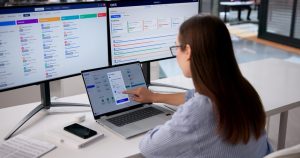
Cloud-Based Attendance Software Cape Town
Managing employee attendance accurately is essential for businesses across Cape Town. From offices and retail stores to healthcare facilities, construction companies, warehouses and manufacturing businesses,
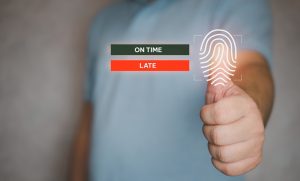
Best Time and Attendance System for Your Business
Managing employee working hours is an important part of running an efficient business. A reliable Time and Attendance System does much more than record when
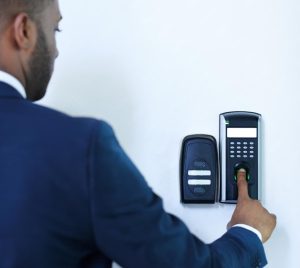
Modern Time and Attendance Management for South African Businesses
In today’s fast-paced business environment, managing employee time and attendance is no longer simply an administrative responsibility. Accurate attendance information plays an important role in
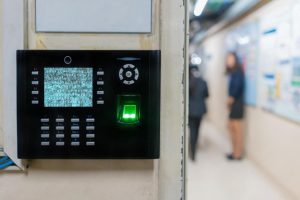
Biometric Time and Attendance Systems in Cape Town: A Smarter Way to Manage Your Workforce
For businesses in Cape Town, managing employee attendance accurately is an important part of effective workforce and payroll management. Paper registers, spreadsheets, manual timesheets, and
How Artificial Intelligence Is Transforming Payroll
Artificial Intelligence (AI) is no longer a concept reserved for the future. It is already changing the way businesses manage payroll, helping payroll teams reduce
EMP501 Mid-Year Submission: Is Your Payroll Ready?
For South African employers, August marks one of the most important payroll compliance periods of the year: the EMP501 Mid-Year Reconciliation. While it may seem